
Echoes of the Wild: How Tracking Dogs Bridge the Gap Between Human and Animal Worlds
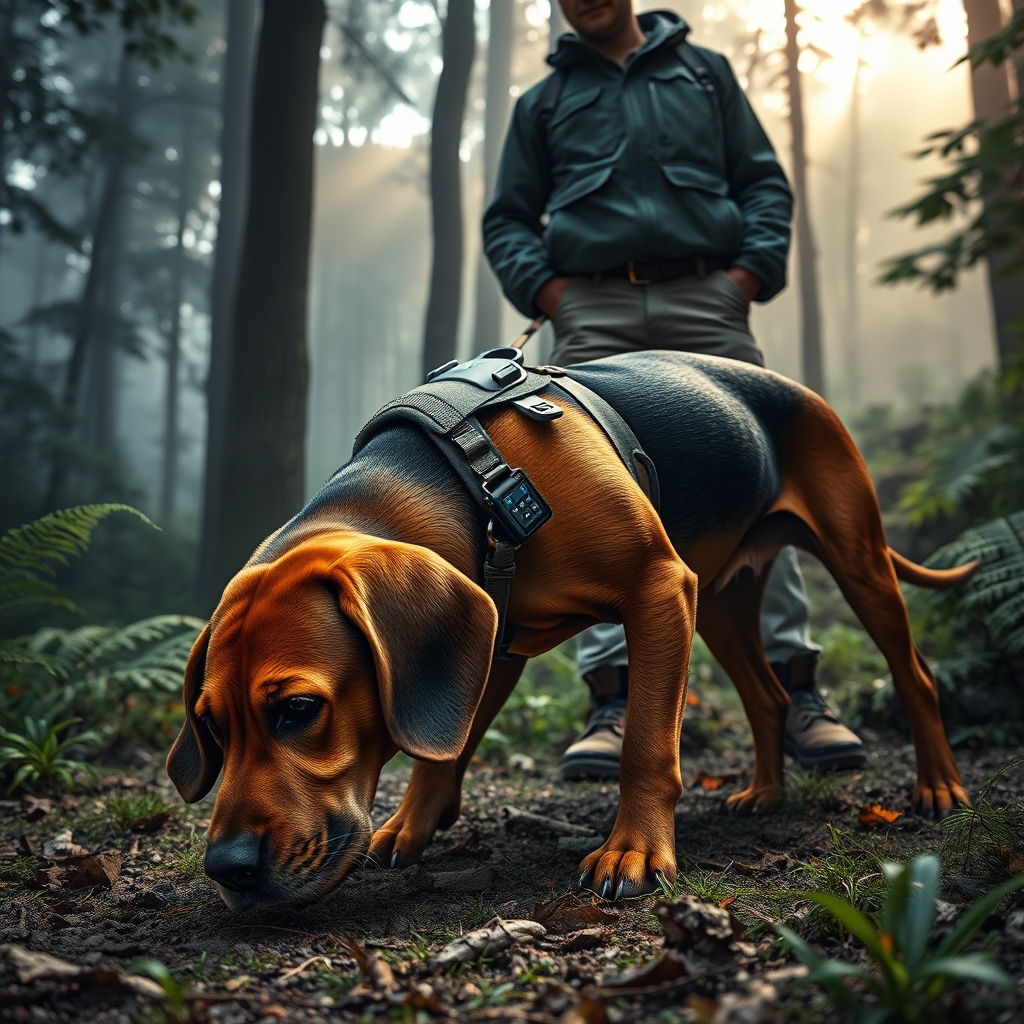
The morning mist clings to the forest floor like a ghostly veil, swirling around the boots of researchers as they step carefully through the undergrowth. Among them, a sleek, muscular dog moves with purpose, its nose pressed close to the earth, inhaling the ancient language of the wild. This is no ordinary walk in the woods—this is a dance between instinct and intellect, where the unspoken bond between human and canine becomes a lifeline for creatures hidden in the shadows of the wilderness.
The Ancient Art of the Scent
For centuries, humans have relied on dogs to navigate the invisible trails left by animals. The relationship between hunter and hound is one of the oldest partnerships in history, forged in the fires of necessity and refined by trust. But in the modern world, this bond has evolved beyond the pursuit of game. Today, tracking dogs are the unsung detectives of wildlife conservation, their extraordinary olfactory abilities unlocking mysteries that technology alone cannot solve.
Bloodhounds, with their drooping ears and soulful eyes, are often the first to come to mind when thinking of scent-tracking dogs. Their noses are marvels of nature, capable of detecting a single molecule of scent among billions. But they are not alone in their prowess. Breeds like the Belgian Malinois, German Shepherd, and even the lesser-known Bavarian Mountain Hound are trained to follow the faintest whispers of the wild, whether it’s the musk of a rare big cat or the subtle shift in the earth left by a poacher’s boot.
The Science Behind the Sniff
A dog’s nose is a biological masterpiece. While humans possess around 6 million olfactory receptors, a Bloodhound boasts an astonishing 300 million. This sensory superpower allows them to distinguish between the scents of individual animals, track them over vast distances, and even detect changes in an animal’s health or stress levels. Scientists have harnessed this ability to monitor endangered species, study migration patterns, and combat illegal wildlife trafficking.
In the dense jungles of Sumatra, tracking dogs have been deployed to locate critically endangered Sumatran rhinos, their keen noses cutting through the thick foliage to find animals that would otherwise remain hidden. In the vast savannas of Africa, they assist rangers in tracking down poachers, their presence alone acting as a deterrent to those who seek to exploit the wild. The work is dangerous, often thankless, but the impact is immeasurable.
From the Wild to the Lab: The Evolution of Tracking
The role of tracking dogs has expanded far beyond the traditional boundaries of hunting. Today, they are integral to scientific research, their skills complementing cutting-edge technology like GPS collars and camera traps. While drones and satellites can map vast landscapes, they cannot interpret the stories written in the soil or the air. That is where the dogs come in.
In the realm of wildlife forensics, tracking dogs are used to locate scat, hair, and other biological samples that provide invaluable data about animal populations. These samples can reveal everything from dietary habits to genetic diversity, offering a window into the health of an ecosystem. For species like the elusive snow leopard or the endangered red wolf, such insights are crucial for developing effective conservation strategies.
The Human-Canine Partnership
The bond between a tracking dog and its handler is one of mutual respect and deep understanding. Training a scent hound is not merely about teaching commands—it is about nurturing a connection built on trust and communication. Handlers must learn to read their dog’s body language, interpreting the subtle shifts in posture or the flick of an ear that signals a discovery. In return, the dogs learn to trust their human partners to guide them safely through unfamiliar and often hazardous terrain.
This partnership is particularly vital in search and rescue operations, where tracking dogs are deployed to find missing persons in remote or disaster-stricken areas. The same skills that make them invaluable in wildlife conservation—keen senses, relentless determination, and an unbreakable focus—also make them heroes in human crises. The line between the wild and the civilized blurs in these moments, as the primal instincts of the dog serve the needs of both worlds.
The Future of Tracking: Technology Meets Tradition
As technology advances, so too does the role of tracking dogs. Innovations like scent-detection drones and artificial intelligence are beginning to emerge, promising to revolutionize the field of wildlife conservation. Yet, for all their sophistication, these tools cannot replicate the nuanced understanding that a dog brings to the task. The future of tracking lies in the synergy between tradition and innovation, where the ancient art of the scent hound is enhanced by the precision of modern science.
One exciting development is the use of tracking dogs in conjunction with environmental DNA (eDNA) sampling. By collecting water or soil samples from an area, scientists can identify the presence of species without ever laying eyes on them. Tracking dogs can then be used to pinpoint the exact locations of these animals, bridging the gap between broad-scale data and on-the-ground action. This combination of methods is opening new frontiers in conservation, allowing researchers to monitor elusive species with unprecedented accuracy.
The Ethical Dimension
With great power comes great responsibility. The use of tracking dogs in wildlife conservation raises important ethical questions about the impact of human intervention on natural behaviors. While these dogs are invaluable allies, their presence in the wild must be carefully managed to avoid disrupting the very ecosystems they seek to protect. Handlers and researchers must strike a delicate balance, ensuring that their work benefits the animals without causing undue stress or disturbance.
There is also the question of the dogs themselves. The life of a tracking dog is one of rigorous training and demanding work, often in harsh and dangerous conditions. Their well-being must be a priority, with handlers providing not only physical care but also mental stimulation and emotional support. After all, these dogs are not mere tools—they are partners, deserving of respect and gratitude for their contributions to conservation.
The forest falls silent as the tracking dog pauses, its tail stiffening as it locks onto a scent. The handler watches intently, knowing that this moment is the culmination of years of training and trust. Somewhere in the distance, a creature stirs, unaware of the silent guardian that has bridged the gap between its world and ours. In these quiet exchanges, the true magic of the tracking dog is revealed—not as a master of the wild, but as a humble guide, leading us back to the heart of nature itself.