
The Unsung Heroes: How Tracking Dogs Are Revolutionizing Wildlife Conservation
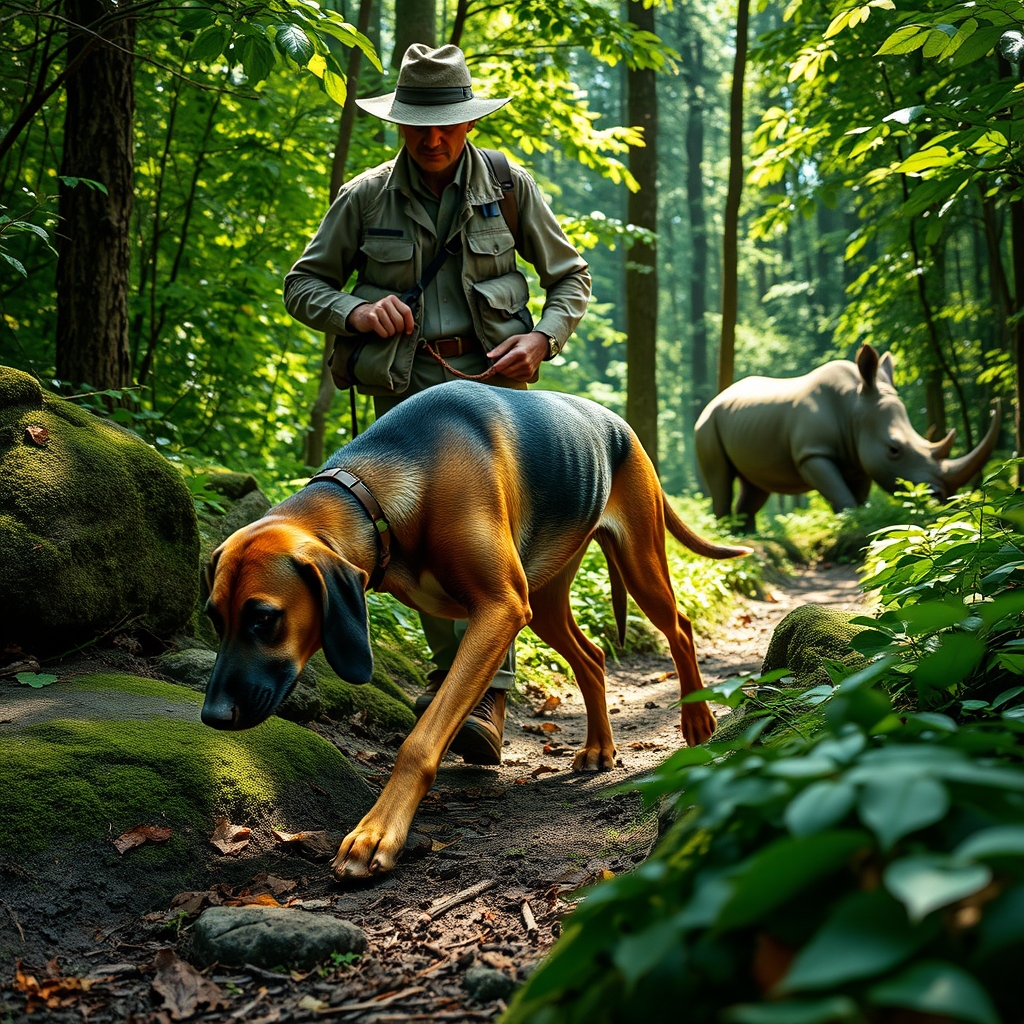
In the vast and often untamed wilderness, where human eyes struggle to penetrate the dense foliage and human ears fail to catch the faintest rustle of leaves, there exists a group of extraordinary allies. These are not the apex predators that dominate nature documentaries, nor are they the exotic pets that captivate social media feeds. They are tracking dogs—highly trained scent hounds whose noses are rewriting the rules of wildlife conservation. With their unparalleled ability to detect scents, these canine detectives are becoming indispensable in the fight to protect endangered species, monitor wildlife habitats, and even combat poaching.
The Science Behind the Sniff
To understand why tracking dogs are so effective, it’s essential to delve into the science of their olfactory prowess. A dog’s nose is a marvel of biological engineering. While humans possess roughly 5-6 million olfactory receptors, dogs boast an astonishing 100-300 million, depending on the breed. This means their sense of smell is anywhere from 10,000 to 100,000 times more acute than ours. For breeds like the Bloodhound, whose droopy ears and wrinkled skin are iconic, this ability is taken to an even higher level. Bloodhounds, in particular, are renowned for their tracking capabilities, often used in search and rescue missions and law enforcement due to their ability to follow a scent trail for miles, even days after it was laid.
In the context of wildlife conservation, this extraordinary sense of smell allows tracking dogs to detect the presence of animals that might otherwise go unnoticed. Whether it’s the faint scent of a rare orchid that serves as a food source for an endangered butterfly or the lingering odor of a poacher’s camp, these dogs can pick up on clues that are invisible to humans. Their work is not just about finding animals; it’s about uncovering the hidden stories of ecosystems, revealing patterns of behavior, and identifying threats before they escalate.
From Hunting Companions to Conservationists
The relationship between humans and hunting dogs dates back thousands of years. Breeds like the Labrador Retriever, German Shorthaired Pointer, and English Setter were originally developed to assist hunters in locating and retrieving game. Over time, however, the role of these dogs has evolved. While some continue to serve as gun dogs, many have found new purpose in the field of conservation. This transition is not just a shift in job description; it’s a testament to the adaptability and intelligence of these working dog breeds.
One of the most compelling examples of this evolution is the use of tracking dogs in anti-poaching efforts. In Africa, where rhino and elephant populations are under constant threat from poachers, organizations like Working Dogs for Conservation have trained dogs to detect everything from ivory and rhino horn to snares and traps. These dogs work alongside rangers, patrolling vast reserves and alerting their handlers to the presence of illegal activity. Their success rate is staggering: in some areas, the introduction of tracking dogs has led to a 45% increase in the apprehension of poachers. This is not just about catching criminals; it’s about saving species on the brink of extinction.
The Role of Technology in Enhancing Canine Capabilities
While the natural abilities of tracking dogs are impressive, modern technology is taking their work to the next level. Animal tracking technology, such as GPS collars and drone surveillance, is increasingly being integrated with canine teams to create a more comprehensive approach to wildlife monitoring. For instance, a dog might be trained to locate the scat of a specific species, such as a snow leopard in the Himalayas. Once the scat is found, it can be analyzed for DNA, providing researchers with valuable data about the animal’s diet, health, and genetic diversity. Meanwhile, GPS collars can track the movements of the dogs themselves, ensuring their safety in rugged terrain and allowing handlers to monitor their progress in real time.
Another exciting development is the use of artificial intelligence to analyze the data collected by tracking dogs. Machine learning algorithms can process vast amounts of information, identifying patterns that might take humans years to uncover. For example, by analyzing the locations where a dog detects the scent of an endangered species, researchers can map out critical habitats and migration routes. This information is invaluable for creating conservation strategies that are both effective and sustainable.
Training the Next Generation of Conservation Canines
Training a tracking dog for wildlife conservation is no small feat. It requires a combination of natural aptitude, rigorous training, and a deep bond between the dog and its handler. The process typically begins when the dog is just a puppy, with basic obedience training and scent detection exercises. As the dog matures, the training becomes more specialized, focusing on the specific needs of the conservation project. For example, a dog trained to detect ivory might be exposed to the scent of elephant tusks in various environments, learning to distinguish it from other odors even in the presence of distractions like food or other animals.
One of the most critical aspects of training is ensuring that the dog remains motivated and engaged. Unlike traditional hunting dogs, which might be rewarded with a retrieved game bird, conservation dogs are often rewarded with play. A favorite toy or a game of tug-of-war can be just as effective as a food treat, especially for dogs that are highly driven by play. This approach not only keeps the dogs happy and eager to work but also strengthens the bond between the dog and its handler, which is essential for successful teamwork in the field.
The Ethical Considerations of Using Dogs in Conservation
While the benefits of using tracking dogs in wildlife conservation are clear, it’s important to consider the ethical implications of this work. For one, the safety and well-being of the dogs must always be a top priority. Working in remote and often dangerous environments, these dogs face risks ranging from encounters with wild animals to exposure to harsh weather conditions. Organizations that use tracking dogs must ensure that they are provided with proper care, including regular veterinary check-ups, adequate rest, and protection from potential hazards.
Another ethical consideration is the potential impact on the wildlife being studied. While tracking dogs are trained to be non-invasive, there is always a risk that their presence could disturb or stress the animals they are trying to protect. To mitigate this, handlers must be trained to recognize signs of distress in both the dogs and the wildlife, and to adjust their methods accordingly. For example, if a dog is tracking a particularly sensitive species, the handler might choose to keep the dog on a leash to minimize any potential disruption.
Success Stories from the Field
Despite these challenges, the success stories of tracking dogs in wildlife conservation are both inspiring and numerous. In the Pacific Northwest, for instance, dogs have been trained to detect the scat of endangered carnivores like the fisher and the wolverine. By analyzing this scat, researchers have been able to gather critical data about these elusive animals, including their diet, reproductive health, and genetic diversity. This information has been instrumental in developing conservation strategies that have helped stabilize and even grow these populations.
In another example, tracking dogs have been used to locate invasive plant species in sensitive ecosystems. By detecting the scent of these plants, the dogs can help conservationists identify and remove them before they spread and disrupt native habitats. This work is particularly important in areas like the Galápagos Islands, where invasive species pose a significant threat to the unique wildlife that calls these islands home.
The bond between humans and dogs is one of the oldest and most enduring partnerships in history. From hunting companions to search and rescue heroes, dogs have always found ways to adapt and serve alongside us. Today, as the challenges facing wildlife grow increasingly complex, tracking dogs are once again rising to the occasion. Their noses are not just sniffing out scents; they are uncovering the secrets of the natural world, one trail at a time. In doing so, they are not only helping to protect endangered species and preserve fragile ecosystems but also reminding us of the incredible potential that lies in collaboration between humans and animals. Whether it’s through the lens of a wildlife photographer capturing their work or the data collected by a K9 search and rescue team, the impact of these dogs is undeniable. They are the unsung heroes of conservation, and their story is far from over.